Historical milestones

Seventy years — moments that shaped the University

From Decree 147/ND in 1956 to the new organisational model in 2026: sixteen milestones with stories, archive photos and video.

1956

Founding of the Bach Khoa Polytechnic University

After Dien Bien Phu and the liberation of Hanoi, the North set out to rebuild its economy and needed engineers of its own. On 6 March 1956 Minister of Education Nguyen Van Huyen signed Decree 147/ND founding the Bach Khoa Polytechnic University; on 4 June 1956 Prime Minister Pham Van Dong approved it in document 2183-PC.

Major General and Professor Tran Dai Nghia became the first Director. On 15 October 1956 the first cohort of about 850 students began classes in 14 disciplines across four faculty groups: Mechanical–Electrical, Mining–Metallurgy, Civil Engineering and Chemistry–Food. The campus rose on the grounds of the former Vietnam Student Hostel in southern Hanoi.

15 October has been the University's founding day ever since — Vietnam's first technical university.
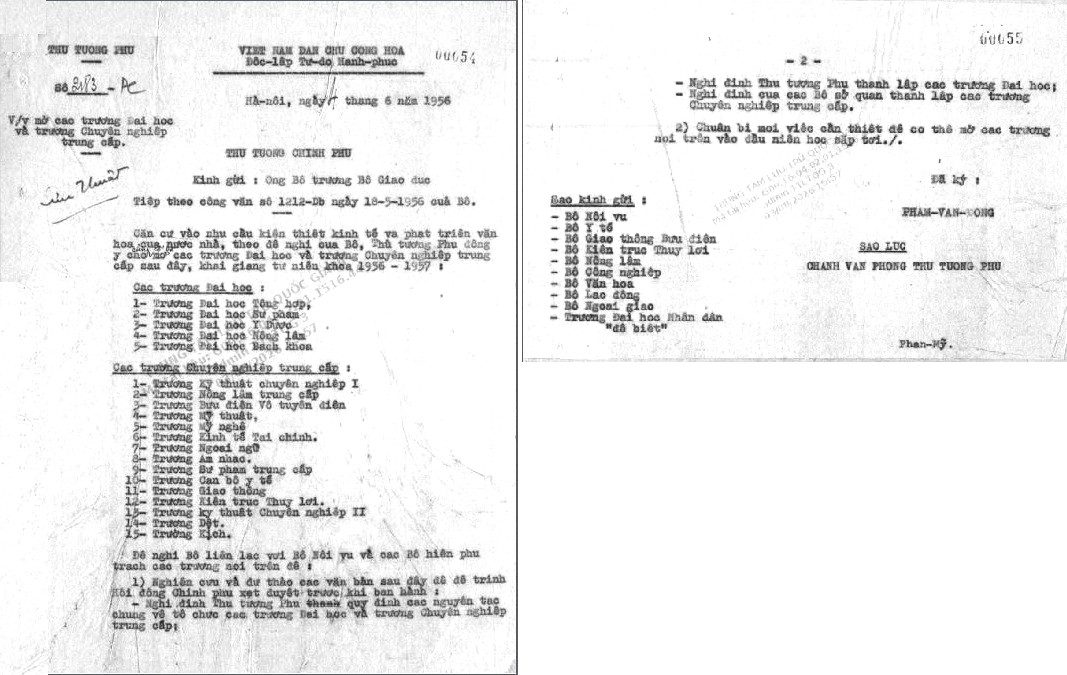
Bản sao văn bản số 2183-PC ngày 4/6/1956 của Thủ tướng Phạm Văn Đồng phê chuẩn thành lập Trường Đại học Bách khoa.
Copy of document 2183-PC (4 June 1956) by Prime Minister Pham Van Dong approving the University. Cục Văn thư và Lưu trữ Nhà nước / hust.edu.vn
Thiếu tướng, Giáo sư, Viện sĩ, Anh hùng Lao động Trần Đại Nghĩa — Giám đốc đầu tiên của Trường.
Major General, Professor Tran Dai Nghia — the University's first Director. Ảnh tư liệu / hust.edu.vn
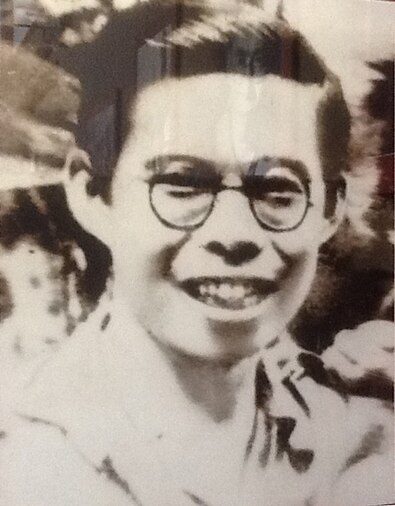
GS. Tạ Quang Bửu — Hiệu trưởng, người đặt nền móng xây dựng và phát triển Nhà trường.
Prof. Ta Quang Buu — Rector who laid the University's foundations. Ảnh tư liệu / hust.edu.vn
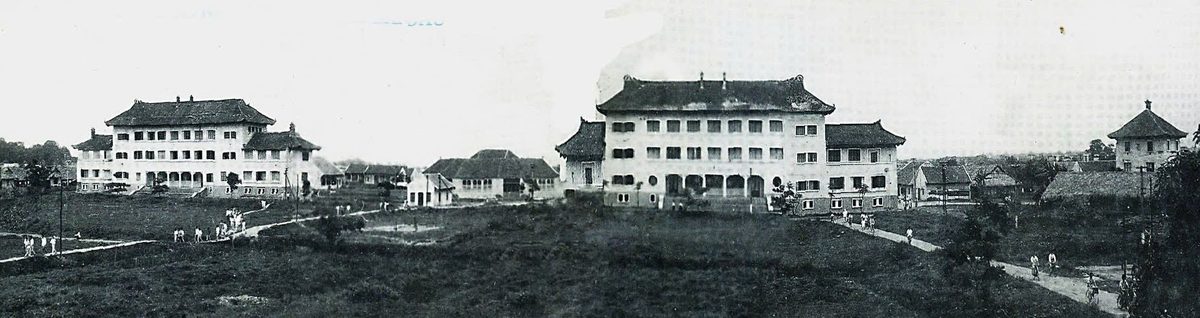
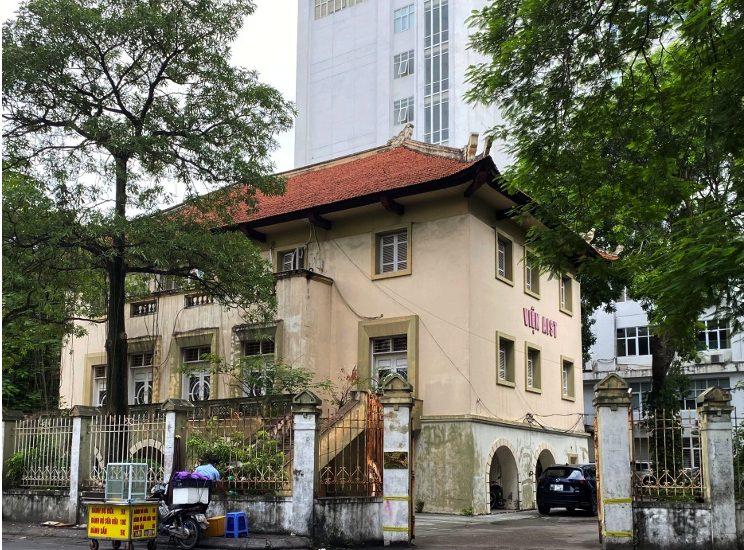
Công trình Việt Nam Học xá — nơi Trường Đại học Bách khoa được thành lập năm 1956.
The Vietnam Student Hostel, on whose grounds the University was founded in 1956. Ảnh sưu tầm / hust.edu.vn
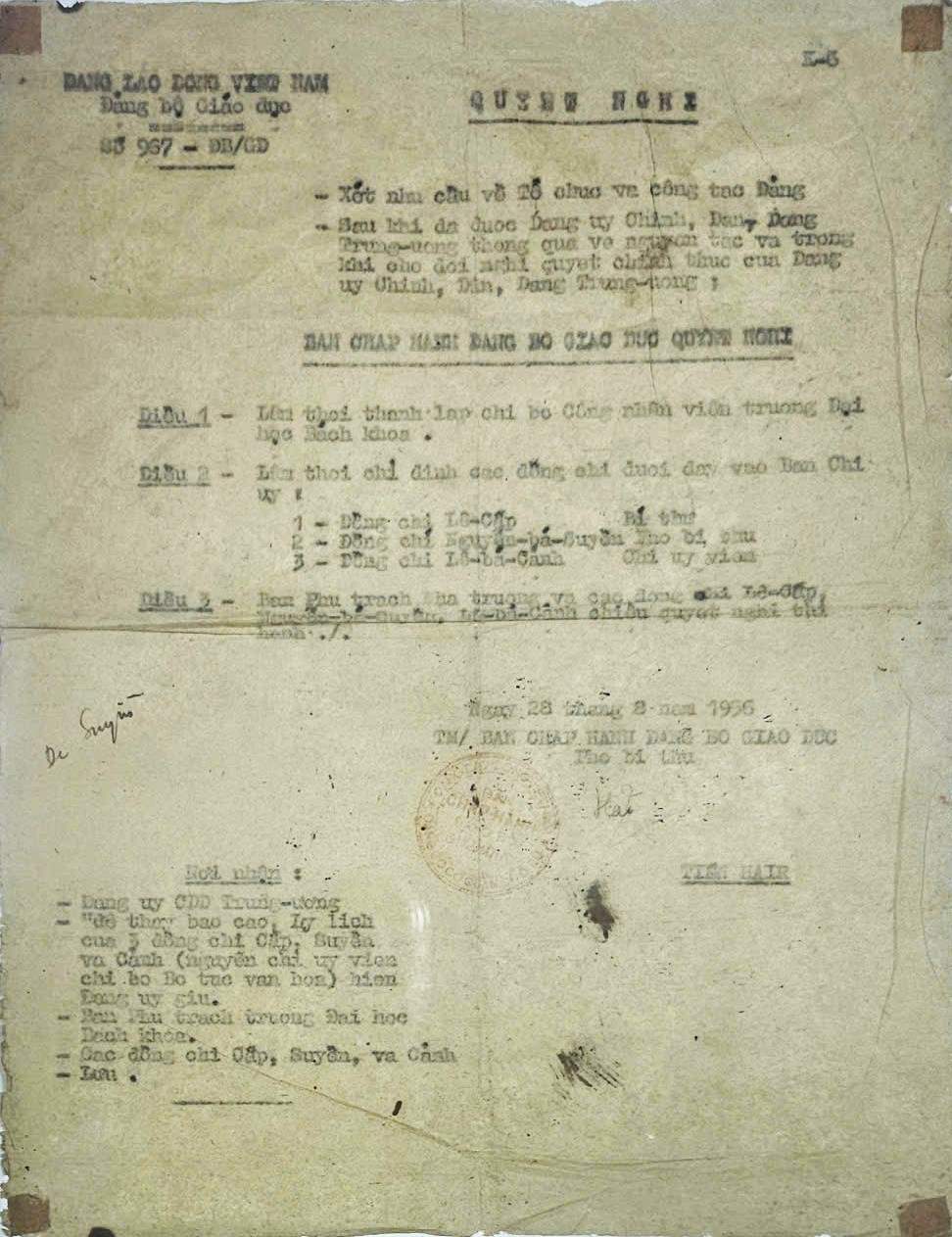
Quyết nghị số 967-DB/GD ngày 28/8/1956 về việc thành lập tổ chức Đảng tại Trường Đại học Bách khoa.
Resolution 967-DB/GD (28 Aug 1956) establishing the Party organisation at the University. hust.edu.vn
Giáo sư Trần Đại Nghĩa – Hiệu trưởng đầu tiên của Đại học Bách khoa Hà Nội YouTube · HUST – Bách khoa Hà Nội
GS. Tạ Quang Bửu – người đặt nền móng xây dựng và phát triển Đại học Bách khoa Hà Nội YouTube · HUST – Bách khoa Hà Nội
1958–1962

President Ho Chi Minh visits the University three times

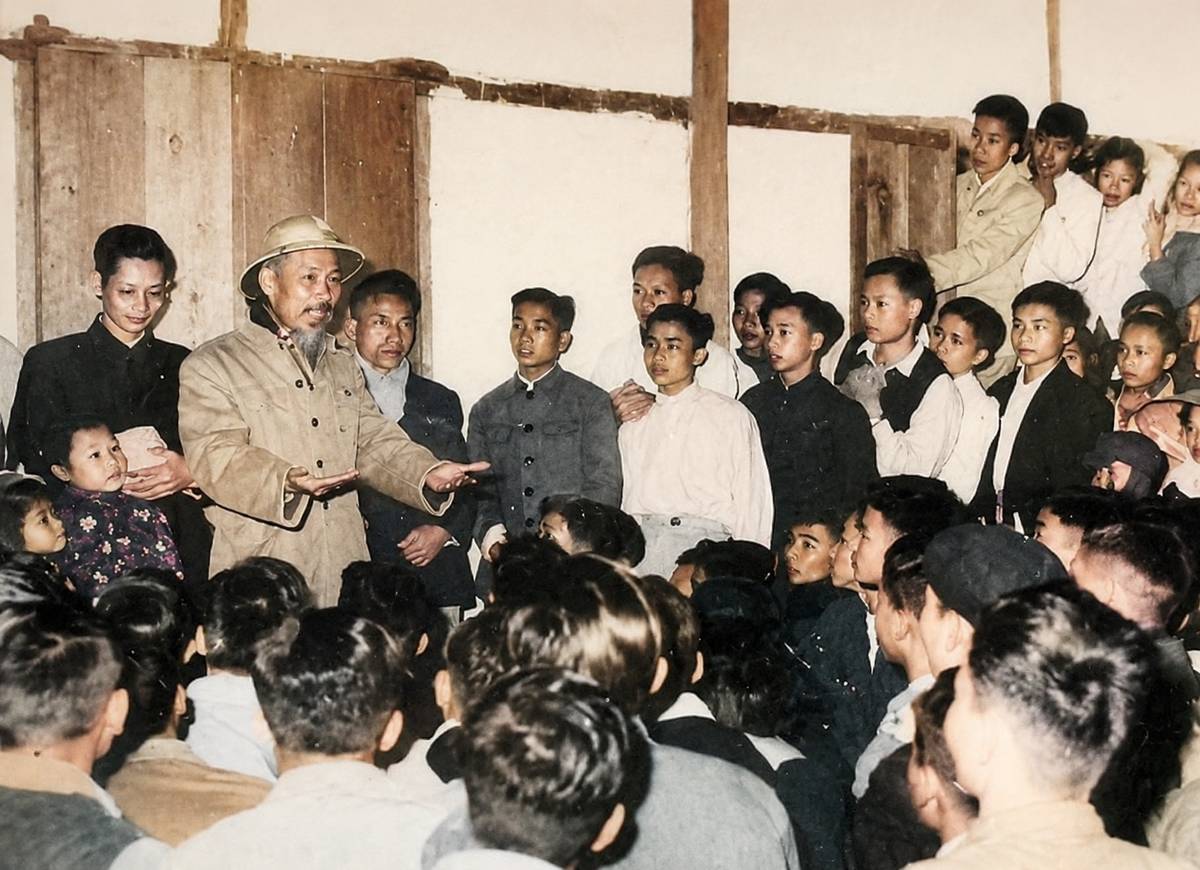
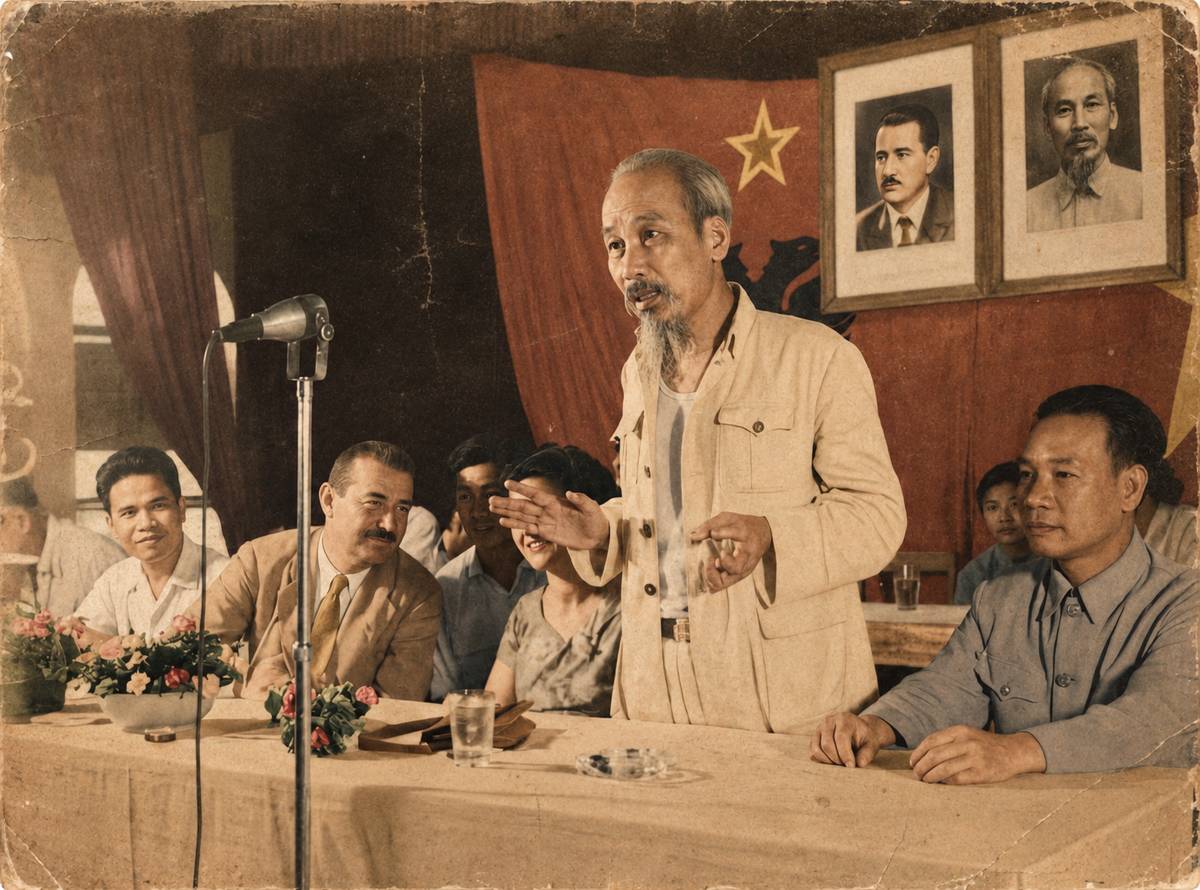
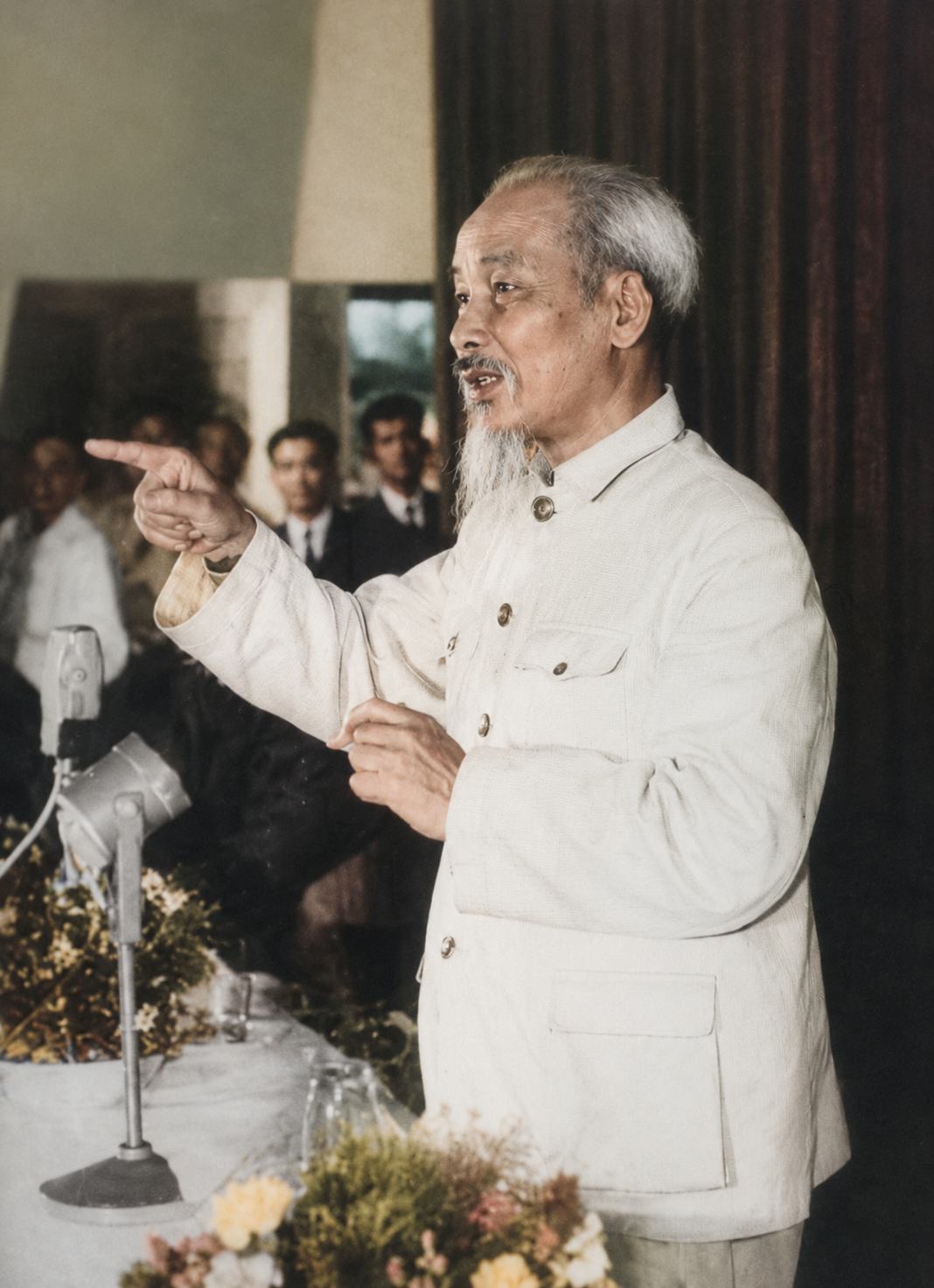
On the first morning of the Lunar New Year 1958, President Ho Chi Minh paid his first visit. He inspected the student canteen and living quarters, then spoke to staff and students in the Octagonal Hall: “Education must go with productive labour, theory with practice, learning with doing, and the school with society.”

He returned on 17 June 1960 with the Albanian government delegation, accompanied by Minister Nguyen Van Huyen and Rector Ta Quang Buu, and again on 11 March 1962 with the royal delegation of Laos.

His guidance became the University's guiding principle for seventy years of teaching and research.

Chủ tịch Hồ Chí Minh nói chuyện tại Hội trường Bát giác ngày mùng Một Tết Mậu Tuất 1958; người đứng sau là Chủ tịch UBHC TP. Hà Nội Trần Duy Hưng.
President Ho Chi Minh speaking in the Octagonal Hall, Lunar New Year 1958. Đại học Bách khoa Hà Nội (chỉnh màu AI)
Bác căn dặn thầy trò trong lần thứ hai về thăm, 17/6/1960 — bên phải là Bộ trưởng Nguyễn Văn Huyên, bên trái là Hiệu trưởng Tạ Quang Bửu.
The second visit, 17 June 1960, with Minister Nguyen Van Huyen (right) and Rector Ta Quang Buu (left). Đại học Bách khoa Hà Nội (chỉnh màu AI)
Chủ tịch Hồ Chí Minh trong lần thứ ba đến thăm Trường, ngày 11/3/1962.
President Ho Chi Minh's third visit, 11 March 1962. Đại học Bách khoa Hà Nội (chỉnh màu AI)
Kịch ngắn: Bác Hồ về thăm Đại học Bách khoa vào mùng 1 Tết Mậu Tuất 1958 YouTube · HUST – Bách khoa Hà Nội
1961

First graduation and the official emblem

In October 1961 the University awarded degrees to 633 engineers of the first cohort — the first engineers trained by the Democratic Republic of Vietnam itself.

The University's emblem made its debut at that ceremony. After a 1960 design competition with more than 200 entries, the design by Assoc. Prof. Tran Huu Que was adopted in 1961: a compass set at the centre of a gear, an open book below, a gold star on red — knowledge, industry and the precision of the engineer.

Inspired by Sputnik, the gear is stylised as the Earth and the compass tilted 30° like a satellite leaving orbit. The emblem survives almost unchanged today.

Mẫu huy hiệu của PGS. Trần Hữu Quế: compa, bánh răng, sách mở và ngôi sao vàng trên nền đỏ.
The emblem designed by Assoc. Prof. Tran Huu Que. hust.edu.vn
PGS. Trần Hữu Quế — tác giả logo Đại học Bách khoa Hà Nội.
Assoc. Prof. Tran Huu Que, author of the HUST logo. Ảnh sưu tầm / hust.edu.vn
1965

Inauguration of the C building complex, built with Soviet assistance

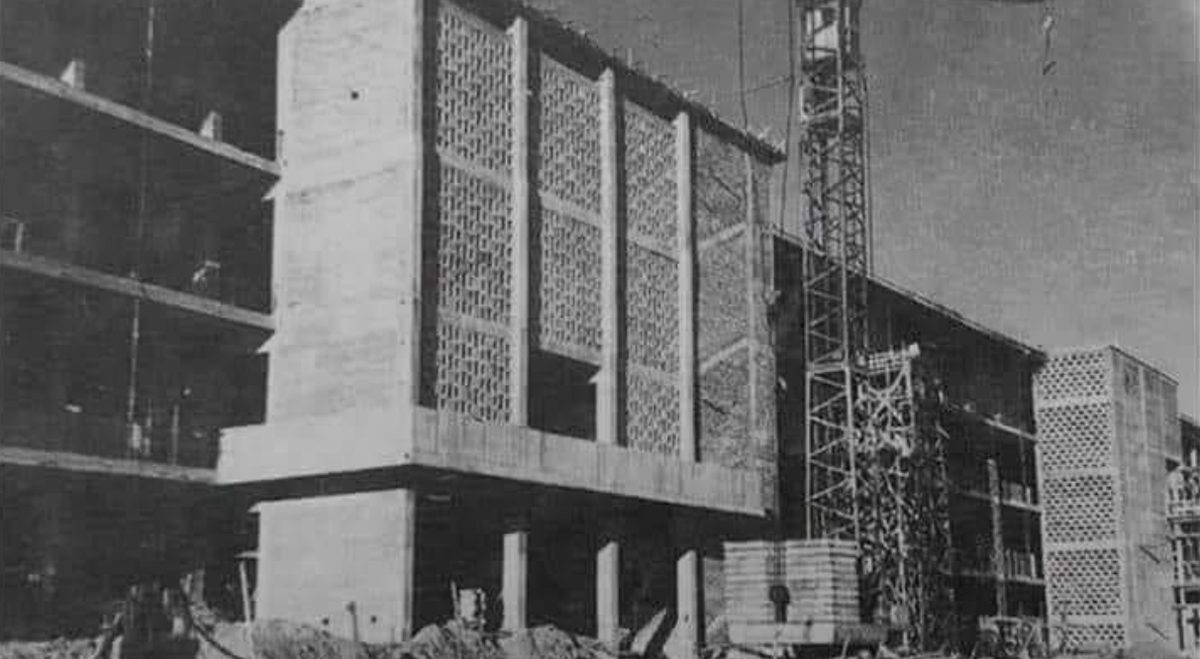
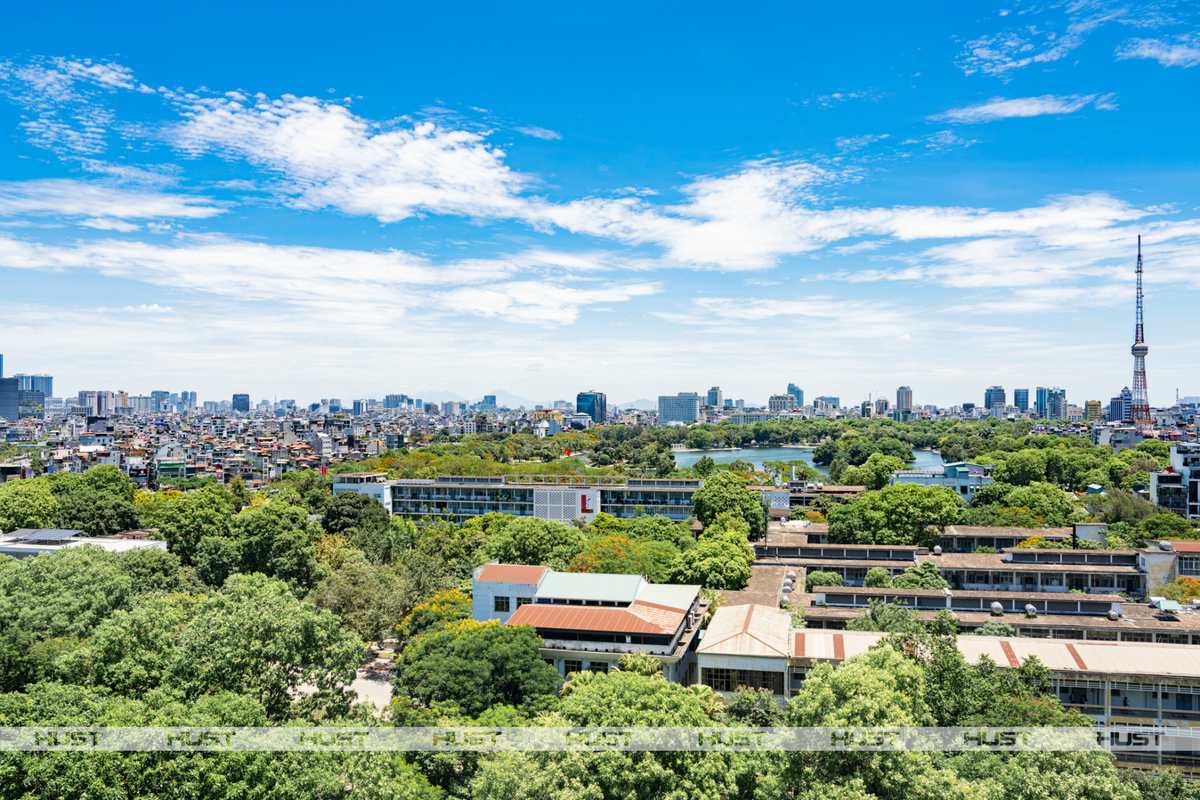
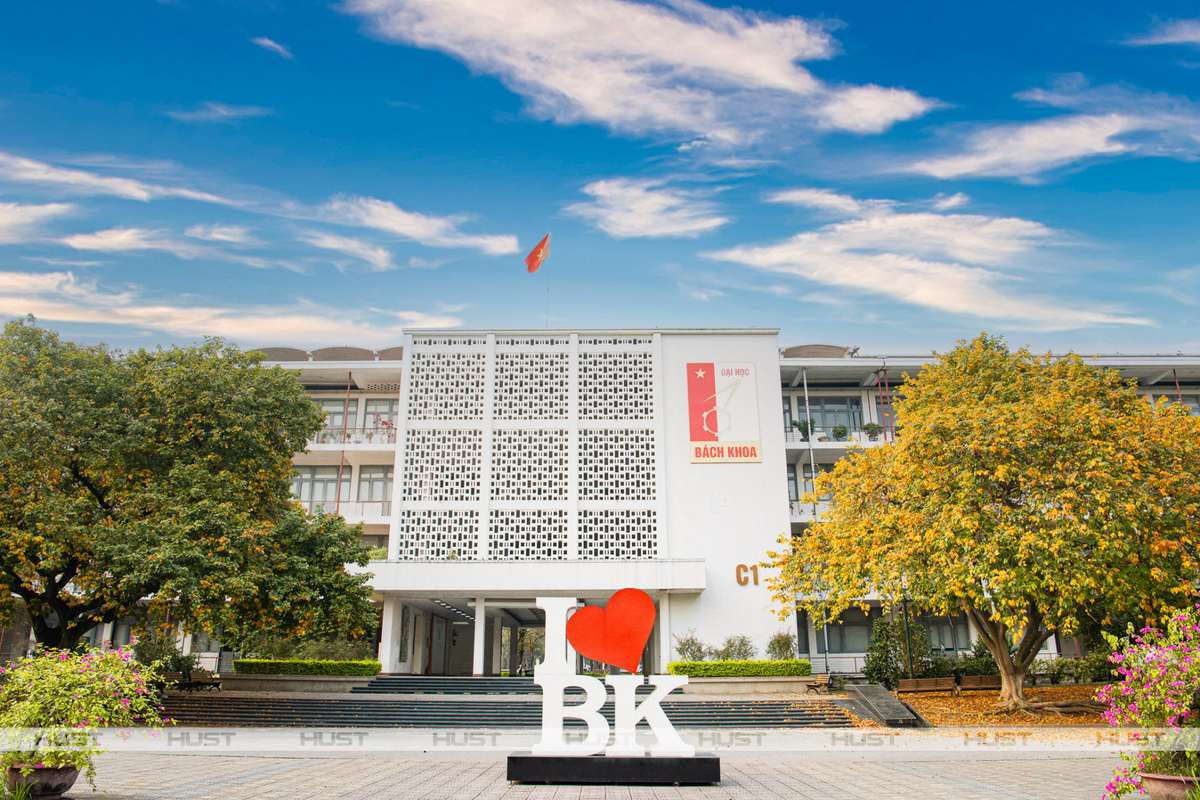
Construction of the new campus on Dai Co Viet Street began on 15 March 1960 with Soviet funding. In 1965 the C complex was inaugurated at the corner of Giai Phong and Dai Co Viet; C1 became the heart of the campus and still houses the University's administration.

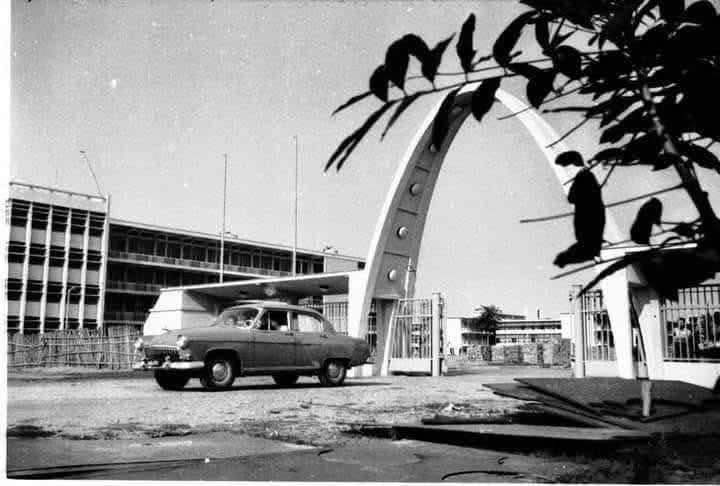
The nine curved waves on C1's roof and the parabolic gate on Giai Phong Street became the University's best-known landmarks.

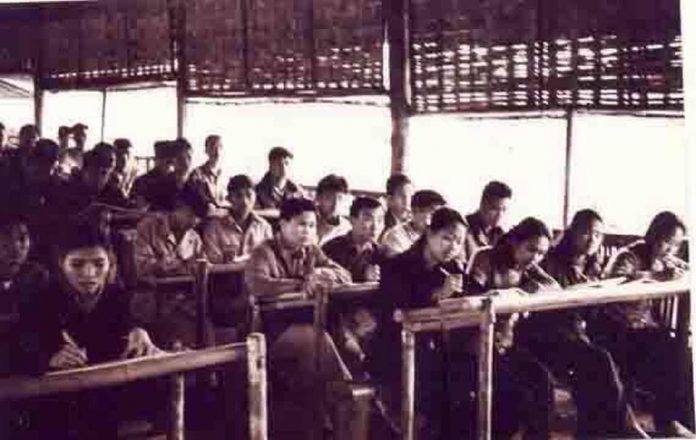
In the same year, as the air war spread to the North, more than 7,000 staff and students evacuated to Lang Son with hundreds of tonnes of equipment, operating as the Ha Huy Tap School — a university in the forest.

Tòa nhà C1 đang được xây dựng, khoảng năm 1963–1966.
The C1 building under construction, c. 1963–1966. Ảnh sưu tầm / hust.edu.vn
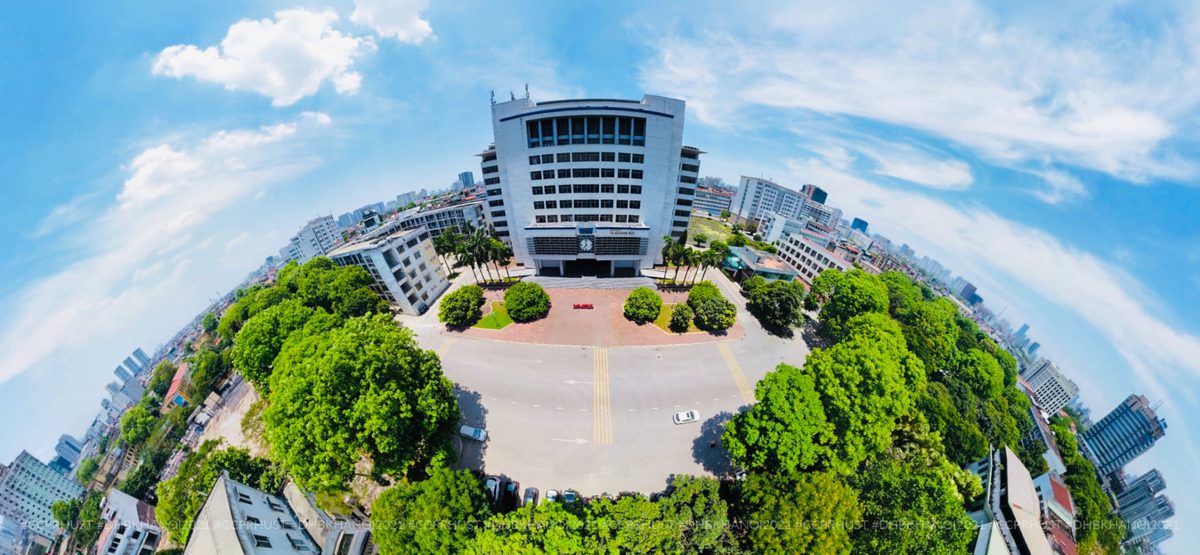
“Trái tim Bách khoa” ngày nay, nhìn từ trên cao.
The “heart of Bach Khoa” today, seen from above. Duy Thành / hust.edu.vn
Thầy và trò trong giờ học tại khu sơ tán Lạng Sơn.
Teachers and students in class at the Lang Son evacuation site. Tư liệu Hội Cựu giáo chức ĐHBK Hà Nội
Thăm khu C — khu sơ tán Lạng Sơn của Bách khoa Hà Nội YouTube · Nguyễn Đăng Hà
1966

Spin-off of the University of Civil Engineering, University of Mining and Geology and Campus 2 of the Military Technical Academy

After ten years the University was large enough to give birth to new institutions. On 8 August 1966 the Government spun the Faculty of Civil Engineering into the Hanoi University of Civil Engineering and the Faculty of Mining and Geology into the University of Mining and Geology (Decision 147/CP). The Textile and Food departments became the University of Light Industry, merged back in 1977.

Campus 2 of the University was transferred to military technical training — the forerunner of today's Military Technical Academy.

After 1975 the University also seeded staff for the technical universities of Ho Chi Minh City, Da Nang, Thu Duc and Tay Nguyen — earning its name as the leading bird of Vietnam's engineering education.

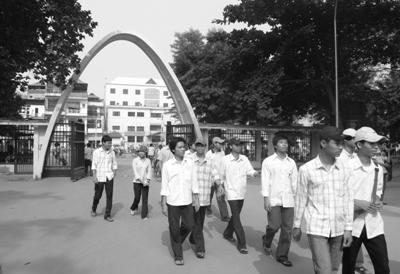
Cổng Parabol những năm đầu — biểu tượng của ngôi trường từ đó tỏa đi nhiều trường đại học kỹ thuật.
The Parabol gate in the early years. Ảnh sưu tầm / hust.edu.vn
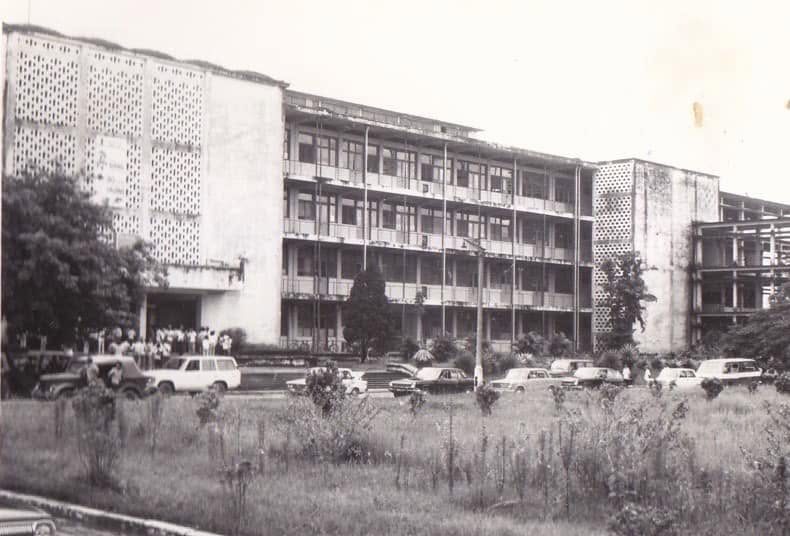
Khuôn viên Trường Đại học Bách khoa Hà Nội thời kỳ đầu.
The early campus of the University. Trung tâm Lưu trữ Quốc gia / hust.edu.vn
1973

Awarded the First-Class Resistance Order

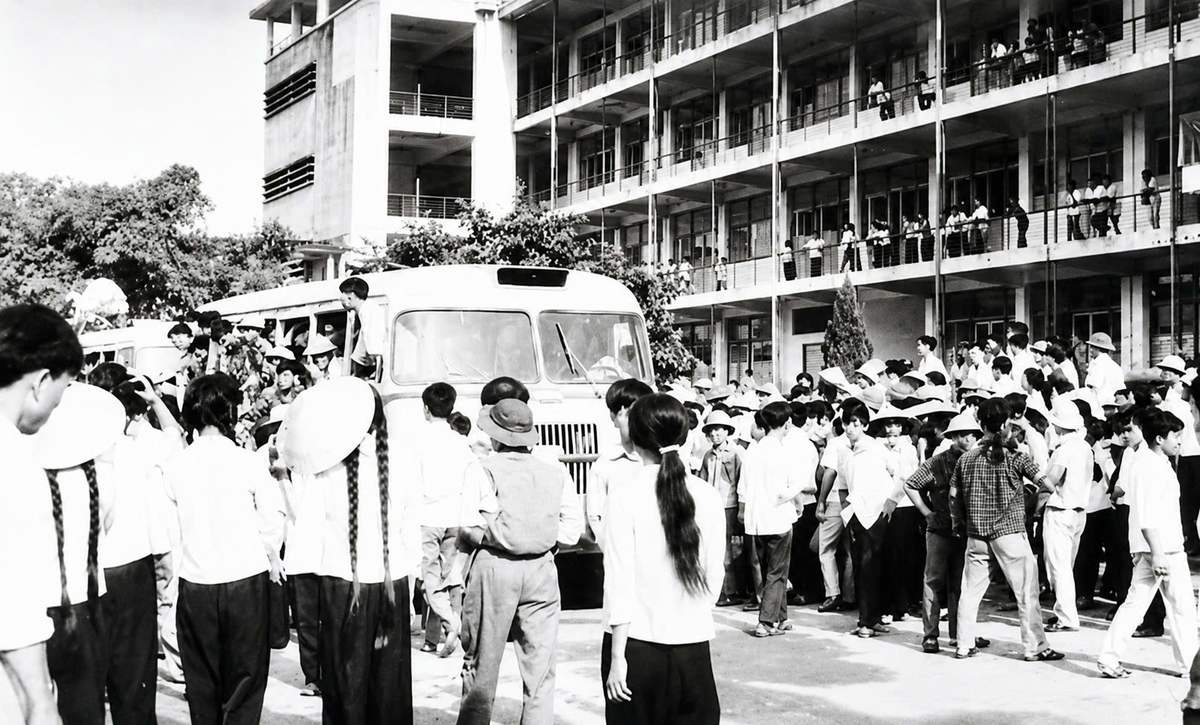
Between 1965 and 1975 nearly 200 staff and 2,700 students answered the “Three Readiness” call and joined the army; buses left from C1 Square for the front.

The University evacuated twice (Lang Son 1965–1970; Hung Yen and Ha Bac 1972) yet never stopped teaching. The Faculty of Radio Engineering developed magnetic-mine clearance techniques and restored four microwave links of the Voice of Vietnam after the 1972 bombing.

For these contributions the State awarded the University the First-Class Resistance Order and the Second-Class Feat of Arms Order (1973), and in 2006 the title Hero of the People's Armed Forces.

Từ quảng trường C1, những chuyến xe chở sinh viên Bách khoa lăn bánh vào chiến trường.
Buses carrying Bach Khoa students leave C1 Square for the front. Ảnh sưu tầm / hust.edu.vn
Thầy và trò trong giờ học tại khu sơ tán Lạng Sơn.
A class at the Lang Son evacuation site. Tư liệu Hội Cựu giáo chức ĐHBK Hà Nội
Thăm khu C — khu sơ tán Lạng Sơn của Bách khoa Hà Nội YouTube · Nguyễn Đăng Hà
1993

Bach Khoa Company — the first university-owned enterprise in Vietnam

Entering the Doi Moi era, the University recognised that research is only valuable when it reaches production. In 1993 Bach Khoa Co., Ltd was founded with its headquarters on campus — the first enterprise owned by a university in Vietnam, bridging laboratory and market.

The experiment paved the way for the BK Holdings enterprise system in 2008 and for the University's innovation-driven identity.

In the same period the University received the First-Class Independence Order (1996) and expanded its graduate and doctoral programmes.

Cây Khoa học trước sảnh tòa nhà C1 năm 1986 — khuôn viên Trường những năm đầu Đổi mới.
The “Tree of Science” in front of C1, 1986. Ảnh sưu tầm / hust.edu.vn
Cổng Parabol — ảnh tư liệu.
The Parabol gate — archive photo. Ảnh tư liệu / hust.edu.vn
1995

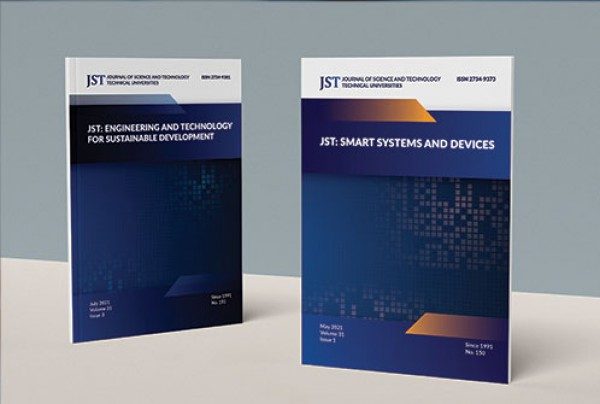
Launch of the Journal of Science and Technology of technical universities (JST)

On 6 October 1995 the leaders of HUST, the University of Da Nang, HCMC University of Technology and Thu Duc University of Technical Education agreed to turn their joint science bulletin into a regular Journal of Science and Technology of technical universities, led by HUST.

Licensed on 13 December 1995, the journal was recognised by the State Council for Professorship the same year.

Over three decades JST has published hundreds of issues and thousands of papers and now publishes in English for international indexing.

Tạp chí Khoa học và Công nghệ — JST.
The Journal of Science and Technology — JST. hust.edu.vn
2000

First university awarded the title Hero of Labour of the Renewal Period

In August 2000 HUST became the first university in Vietnam to receive the title Hero of Labour of the Renewal Period, in recognition of tens of thousands of engineers trained and its contribution to industrialisation.

The honour joined those of HUST collectives and teachers: three units received the Ho Chi Minh Prize, and Professors Tran Tuan Thanh, Tran Vinh Dieu and Tran Dinh Long were named Heroes of Labour.

Entering the new century, the University set its sights on becoming a national key research university.
Cổng Parabol — ảnh tư liệu.
The Parabol gate — archive photo. Ảnh tư liệu / hust.edu.vn
Tòa nhà C1 — “trái tim Bách khoa”.
The C1 building — the heart of Bach Khoa. Duy Thành / hust.edu.vn
2001

First Ho Chi Minh Order — 45th anniversary

On 15 October 2001, marking its 45th anniversary, HUST received the Ho Chi Minh Order — the State's highest recognition of 45 years of training and research.

The same year the University's Trade Union received the First-Class Labour Order and its Youth Union the Third-Class Independence Order.

The following decade saw the move to credit-based training (2007), the 2006–2030 master plan and the first pilot of university autonomy (2010–2011).

Tòa nhà C1 và quảng trường trung tâm.
C1 and the central square. Duy Thành / hust.edu.vn
Tòa nhà và quảng trường Tạ Quang Bửu — công trình tiêu biểu của giai đoạn phát triển đầu thế kỷ XXI.
The Ta Quang Buu building and square — landmark of the early 2000s. hust.edu.vn
2008

Founding of BK Holdings — the first enterprise system inside a Vietnamese university

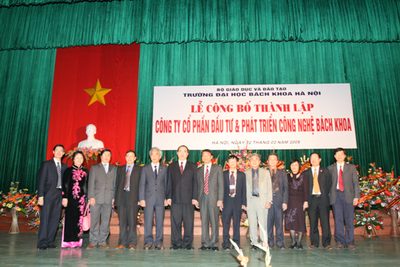
On 24 March 2008, with the Ministry of Education and Training's approval, the University founded Bach Khoa Investment and Technology Development Corporation (BK Holdings) — the first enterprise model permitted inside a Vietnamese university.
As a public institution the University could not bid for or commercialise research; BK Holdings pushes research to market, pulls R&D contracts back to campus, and incubates staff and student start-ups.

From it grew the University's innovation ecosystem: incubator, Lab2Market, BK Fund and a network of spin-offs.

Lễ thành lập BK Holdings, 2008.
BK Holdings founding ceremony, 2008. bkholdings.com.vn
Bách khoa Hà Nội và hệ thống doanh nghiệp BK Holdings.
HUST and the BK Holdings enterprise system. bkholdings.com.vn
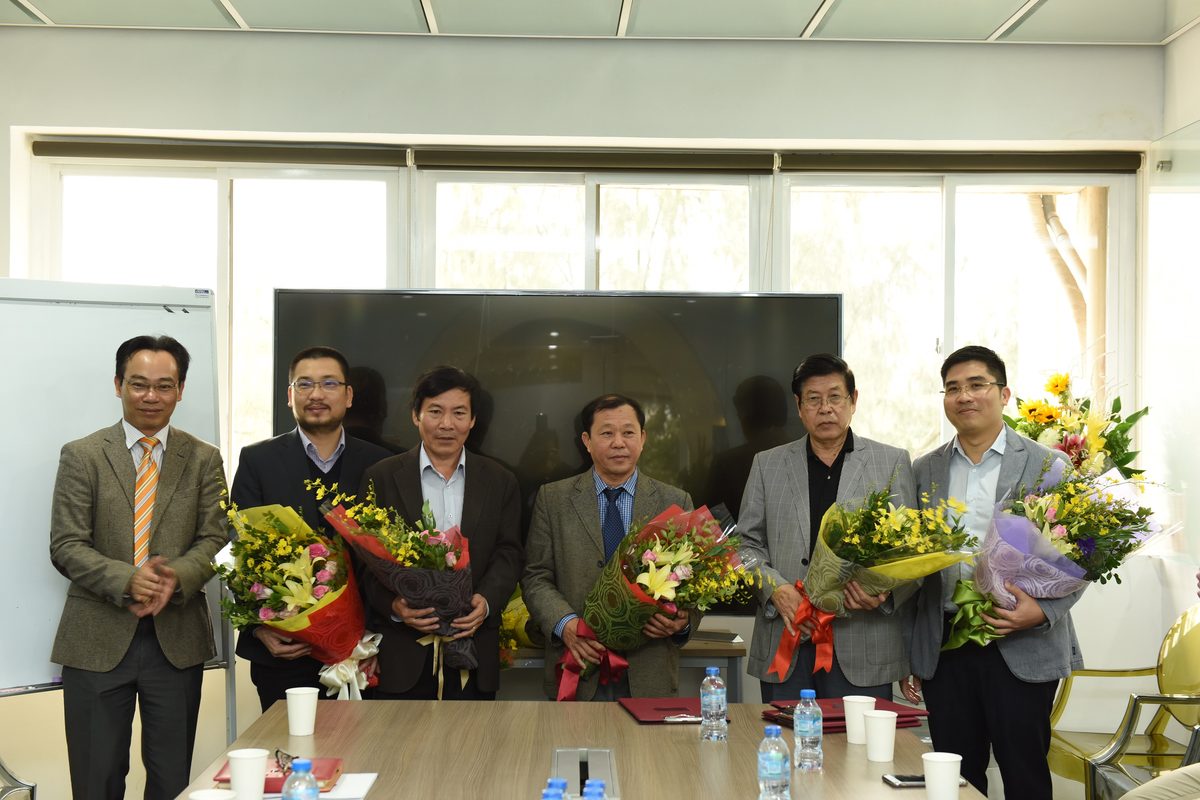
Hội đồng thành viên BK Holdings ra mắt năm 2017.
The BK Holdings Members' Council, 2017. hust.edu.vn
Giới thiệu về BK Holdings YouTube · BK Holdings
2016

Second Ho Chi Minh Order; pilot of institutional autonomy

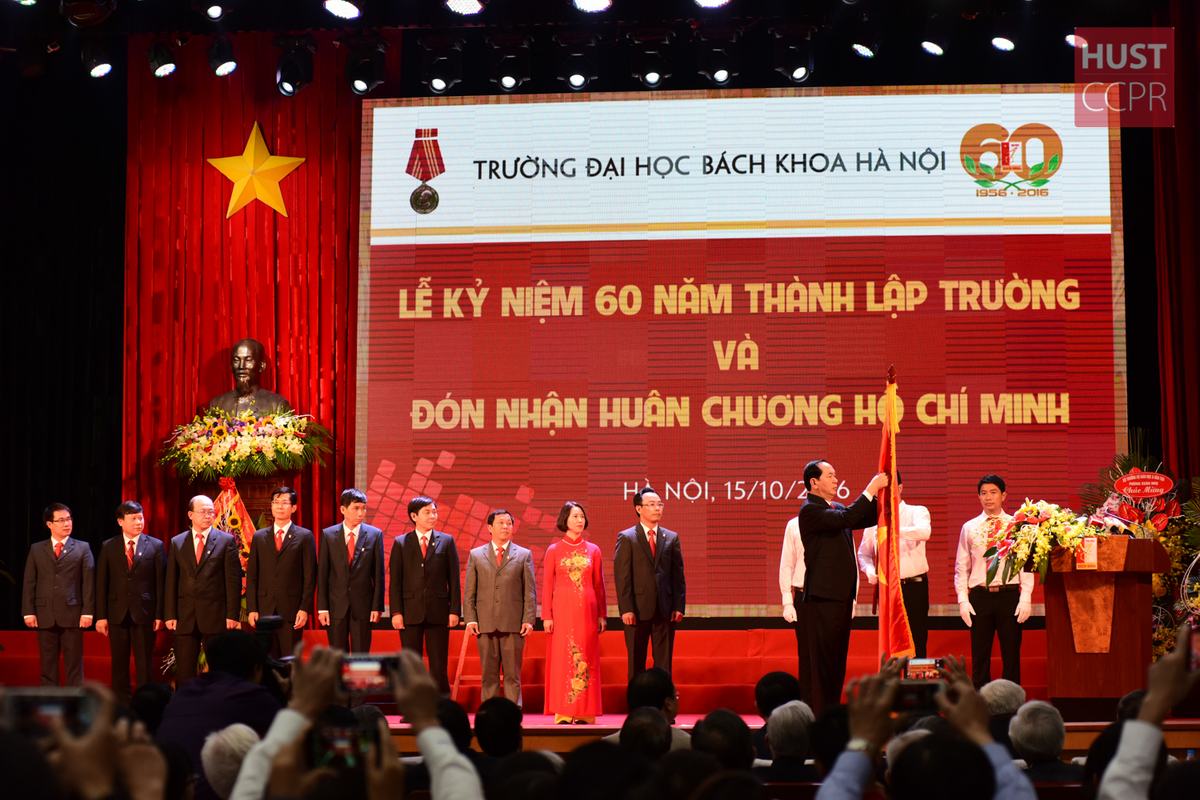
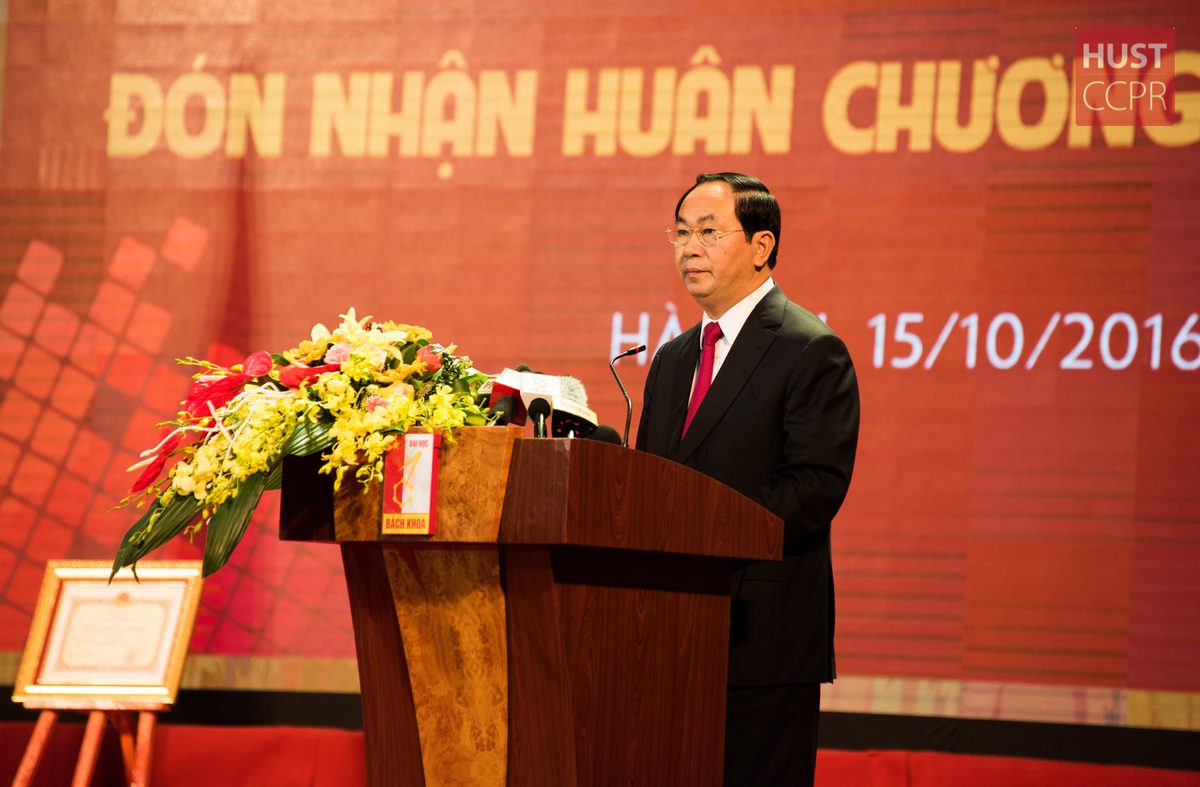
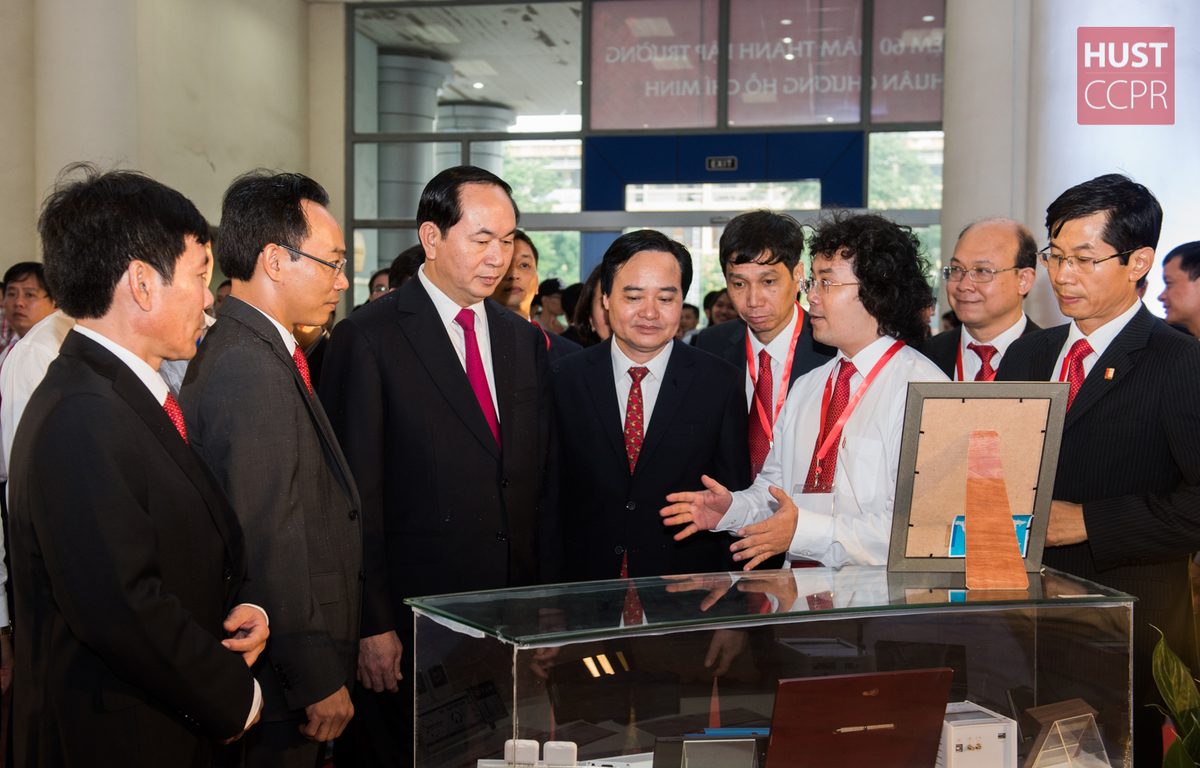
On 15 October 2016, in Hall C2, the University celebrated its 60th anniversary and received the Ho Chi Minh Order for the second time from President Tran Dai Quang, who also toured the research exhibition and planted a commemorative tree.

From four faculty groups the University had grown to 3 faculties, 17 schools, 8 research institutes and 122 programmes, ranking first in Vietnam in SCImago.

The same year Decision 1924/QD-TTg granted the University a pilot of full institutional autonomy — a turning point in academic, organisational, staffing and financial self-governance.

Chủ tịch nước Trần Đại Quang trao Huân chương Hồ Chí Minh cho Trường ĐHBK Hà Nội, 15/10/2016.
President Tran Dai Quang presents the Ho Chi Minh Order, 15 Oct 2016. hust.edu.vn
Chủ tịch nước chúc mừng tập thể Trường.
The President congratulates the University. hust.edu.vn
Chủ tịch nước thăm triển lãm thành tựu khoa học công nghệ của Trường.
Visiting the science and technology exhibition. hust.edu.vn
Chủ tịch nước dự Lễ kỷ niệm 60 năm thành lập Đại học Bách khoa Hà Nội YouTube · Báo Nhân Dân
Phóng sự kỷ niệm 60 năm thành lập Trường Đại học Bách khoa Hà Nội YouTube · Ban Tuyên truyền – SIE
2022

From “University” to the multi-school Hanoi University of Science and Technology

On 2 December 2022 the Prime Minister issued Decision 1512/QD-TTg converting Hanoi University of Science and Technology into a multi-school university — the first institution to do so under the amended Higher Education Law.

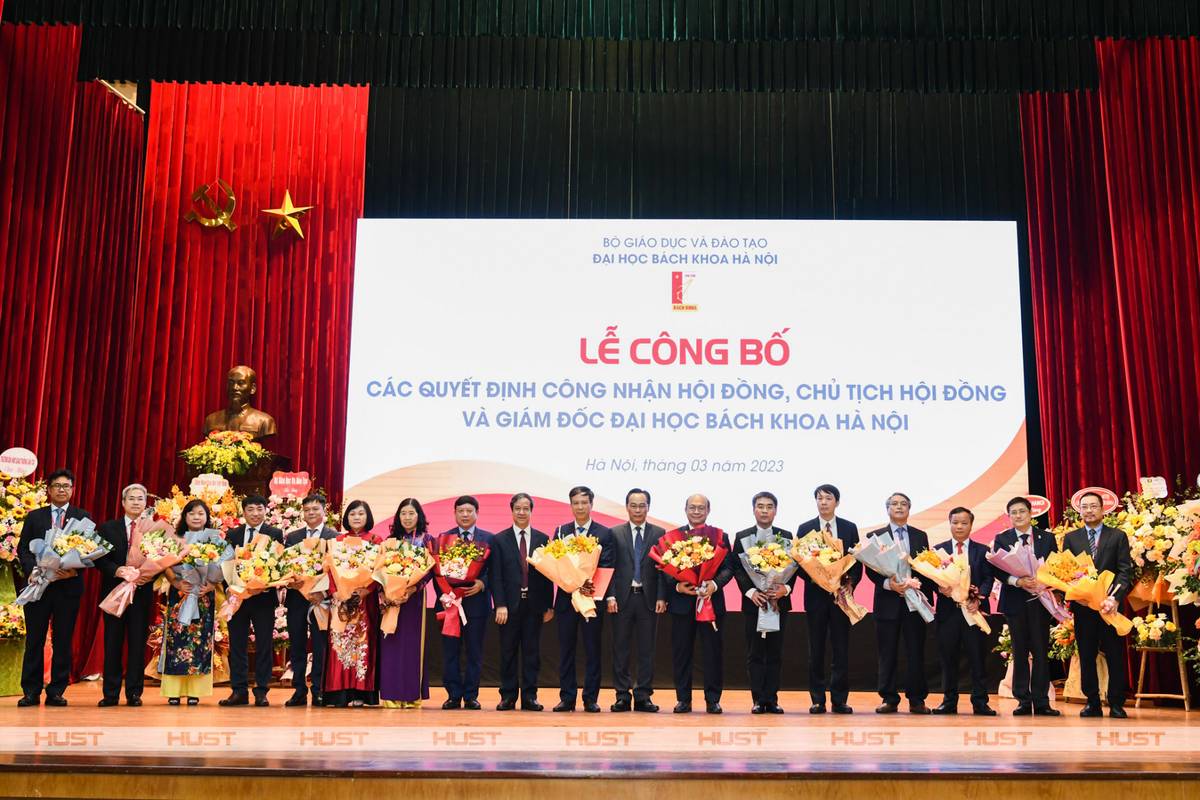
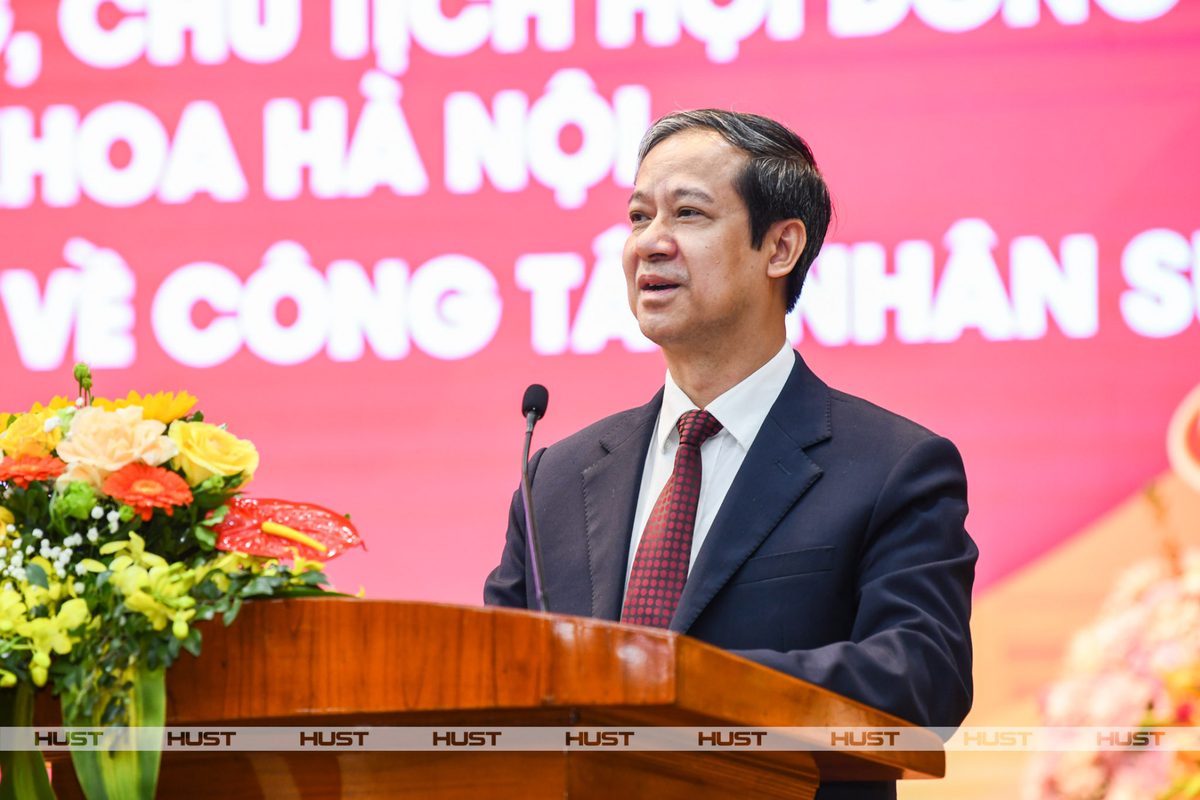
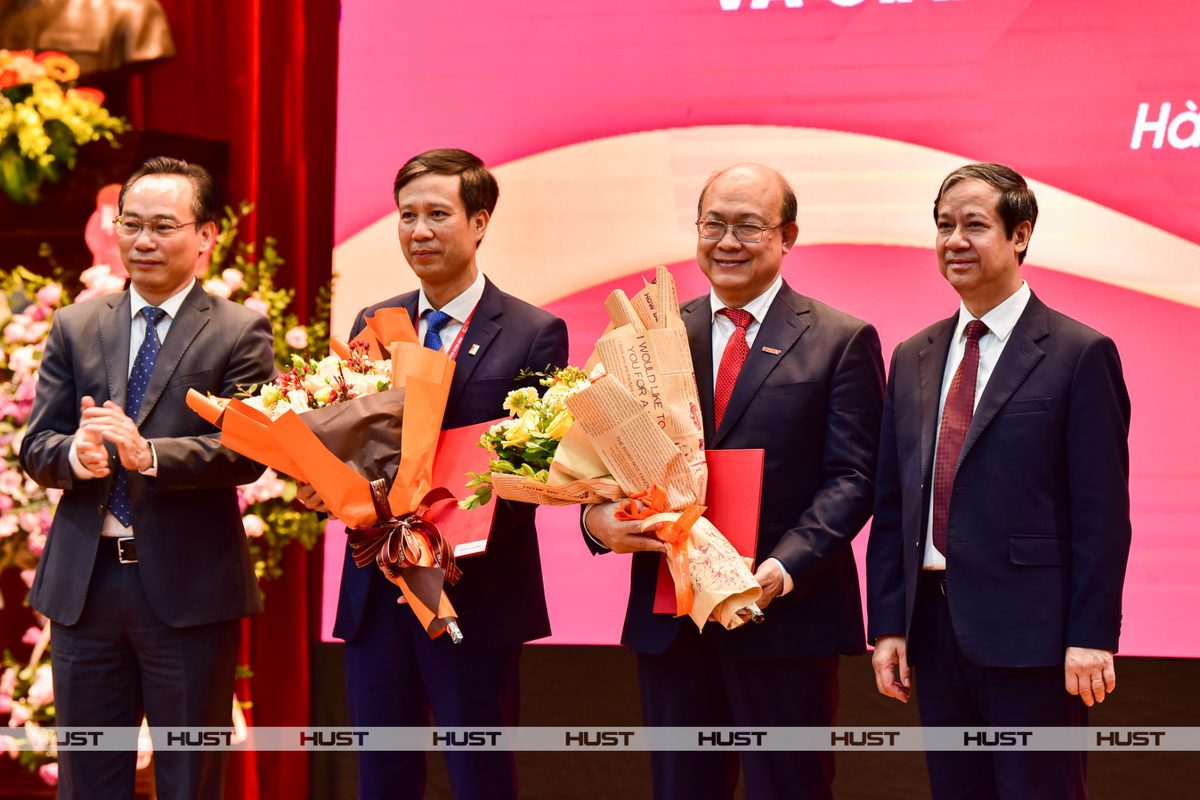
On 17 March 2023 Minister Nguyen Kim Son announced the decision and recognised the University Council, its Chairman (Prof. Le Anh Tuan) and the President (Assoc. Prof. Huynh Quyet Thang): “When the old shell has become too tight, one must shed it to grow.”

The new structure comprises the Schools of Mechanical Engineering, ICT, Electrical–Electronic Engineering (2021), Chemistry and Life Sciences, Materials Science (2023) and Economics (2024), plus research institutes and centres.

Lễ công bố Quyết định chuyển Trường ĐHBK Hà Nội thành Đại học Bách khoa Hà Nội, 17/3/2023.
Announcement ceremony, 17 March 2023. hust.edu.vn
Bộ trưởng Bộ GD&ĐT Nguyễn Kim Sơn phát biểu chúc mừng.
Minister Nguyen Kim Son addresses the ceremony. hust.edu.vn
Lãnh đạo Bộ GD&ĐT và Ban lãnh đạo Đại học Bách khoa Hà Nội nhiệm kỳ 2020–2025.
Ministry and University leaders, 2020–2025 term. hust.edu.vn
Đại học Bách khoa Hà Nội từ “Trường đại học” lên “Đại học” YouTube · Báo Nhân Dân
Đại học Bách khoa Hà Nội: “Lột xác để phát triển” YouTube · Tạp chí Tự động hóa ngày nay
2024

Ministry approves the University's autonomy scheme

On 19 September 2024 the Ministry of Education and Training issued Decision 2568/QD-BGDDT approving the University's scheme for autonomy in mission, organisation, staffing and finance — closing the pilot phases of 2011 and 2016 and opening full, stable autonomy.

The University reorganised accordingly: the School of Economics, the Institute of Health Science and Technology, the Institutes of Control and Automation, Energy Technology, Space and Underwater Technology, and the AI4LIFE institute.

Autonomy came with accountability: annual reports, a talent-attraction policy and a development plan submitted to the Government.

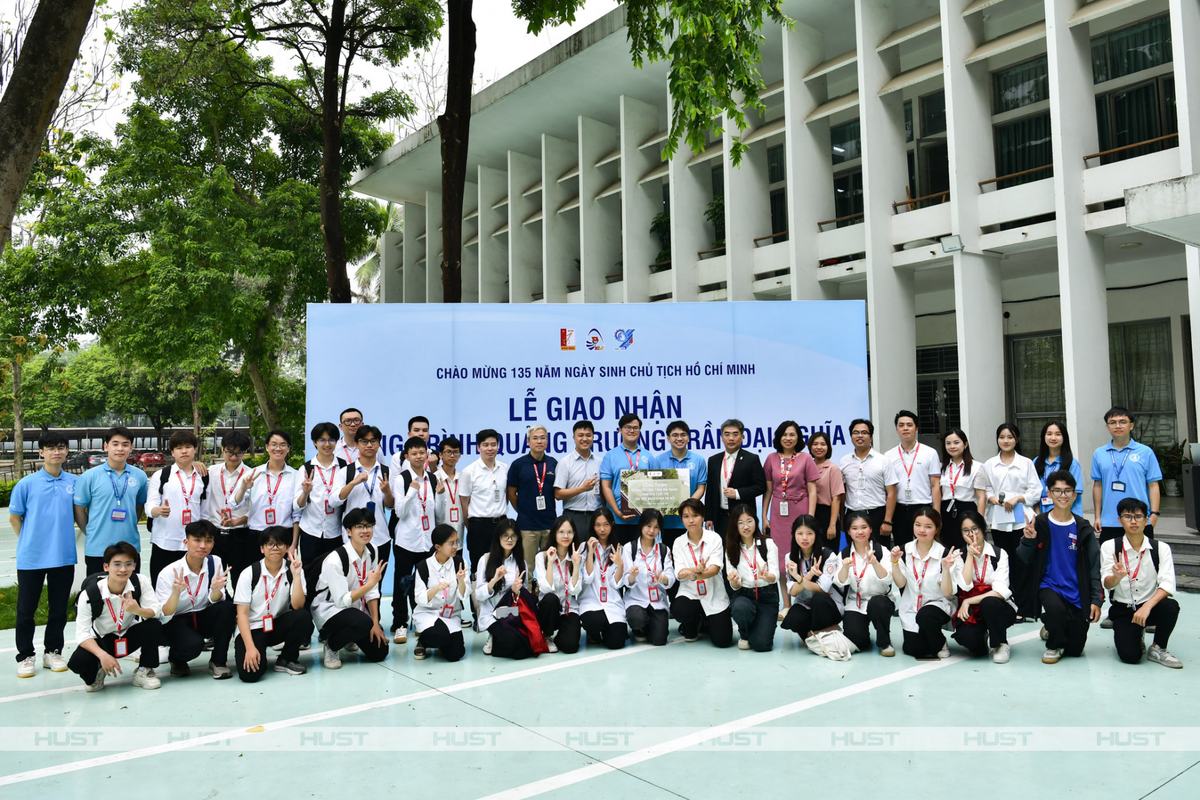
Lễ bàn giao công trình Quảng trường Trần Đại Nghĩa, 19/5/2025.
Handover of the Tran Dai Nghia Square, 19 May 2025. Duy Thành / hust.edu.vn
Tòa nhà và quảng trường Tạ Quang Bửu nhìn từ trên cao.
The Ta Quang Buu building and square from above. hust.edu.vn
2025

Government approves the plan to become a leading university in Asia

On 25 March 2025 the Prime Minister issued Decision 663/QD-TTg approving the plan to develop HUST into one of Asia's leading universities — the first Vietnamese technical university with its own Government-level development plan.

Targets: by 2035 the nation's top research and innovation centre, ranked 100–150 in Asia; by 2045 among Asia's top 100 in engineering and technology, focusing on AI, cybersecurity, semiconductors, robotics, energy and advanced materials, with 85% of faculty holding PhDs and 25% of programmes taught in English.

The same year the University was approved to build a 68-hectare campus in Hung Yen and launched a talent-attraction policy.

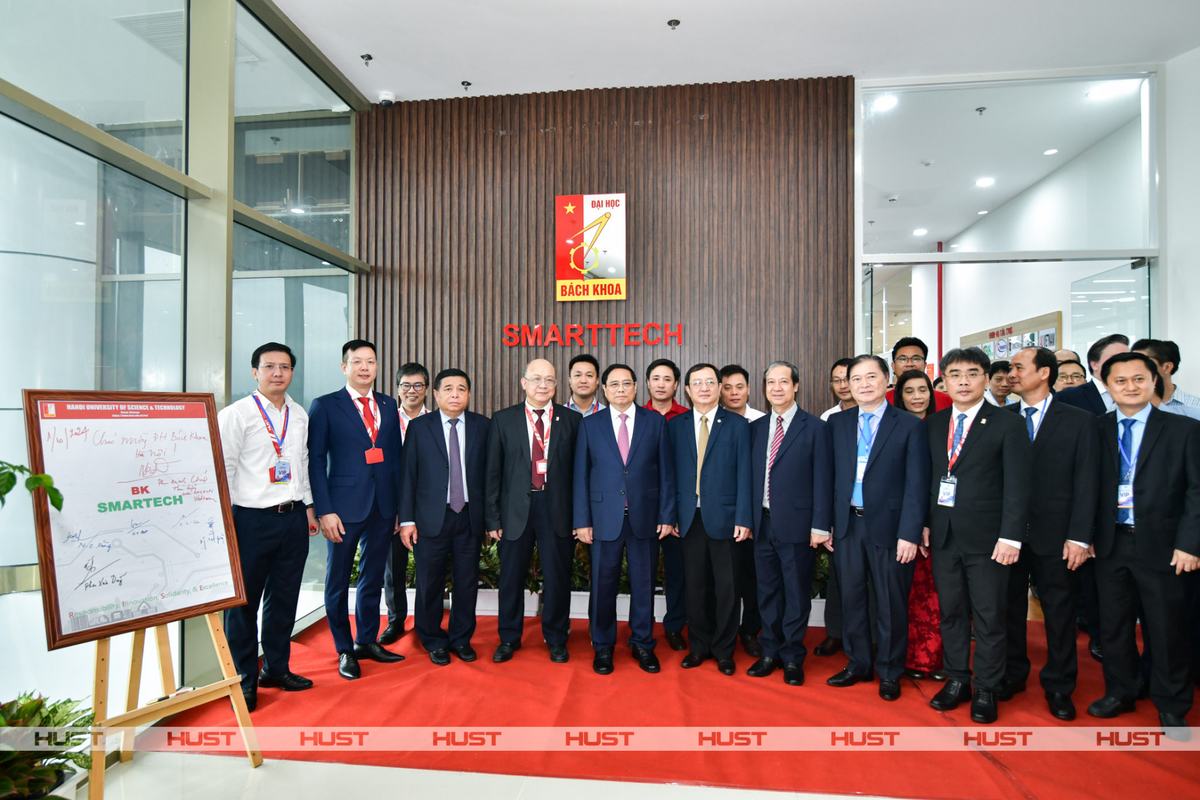
Thủ tướng Phạm Minh Chính và lãnh đạo các bộ, ngành dự Lễ khánh thành Văn phòng Đổi mới sáng tạo Bách khoa tại NIC.
Prime Minister Pham Minh Chinh at the opening of the HUST Innovation Office at NIC. hust.edu.vn
Khuôn viên Đại học Bách khoa Hà Nội.
The HUST campus. Duy Thành / hust.edu.vn
Lương tới 200 triệu đồng/tháng – Đại học Bách khoa tung chính sách thu hút nhân tài YouTube · VTV Index
2026

Implementing the organisational model under Resolution 71-NQ/TW

Politburo Resolution 71-NQ/TW (22 August 2025) makes education the central driver of national development, aims to turn universities into research, innovation and start-up hubs by 2030, and unifies the roles of Party Secretary and head of institution.

In the first half of 2026 HUST completed the reorganisation of its leadership under Resolution 71, restructured its units on the “One HUST” principle — lean, efficient, effective — and accelerated digital transformation towards an AI-First University.
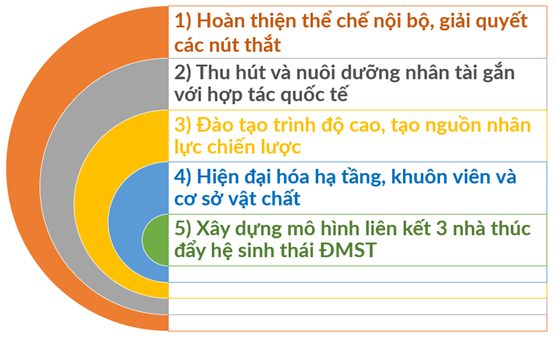
Entering its 70th year, the University set three breakthroughs: governance, talent, and the science–technology–innovation ecosystem.

Đại học Bách khoa Hà Nội hôm nay.
HUST today. Duy Thành / hust.edu.vn
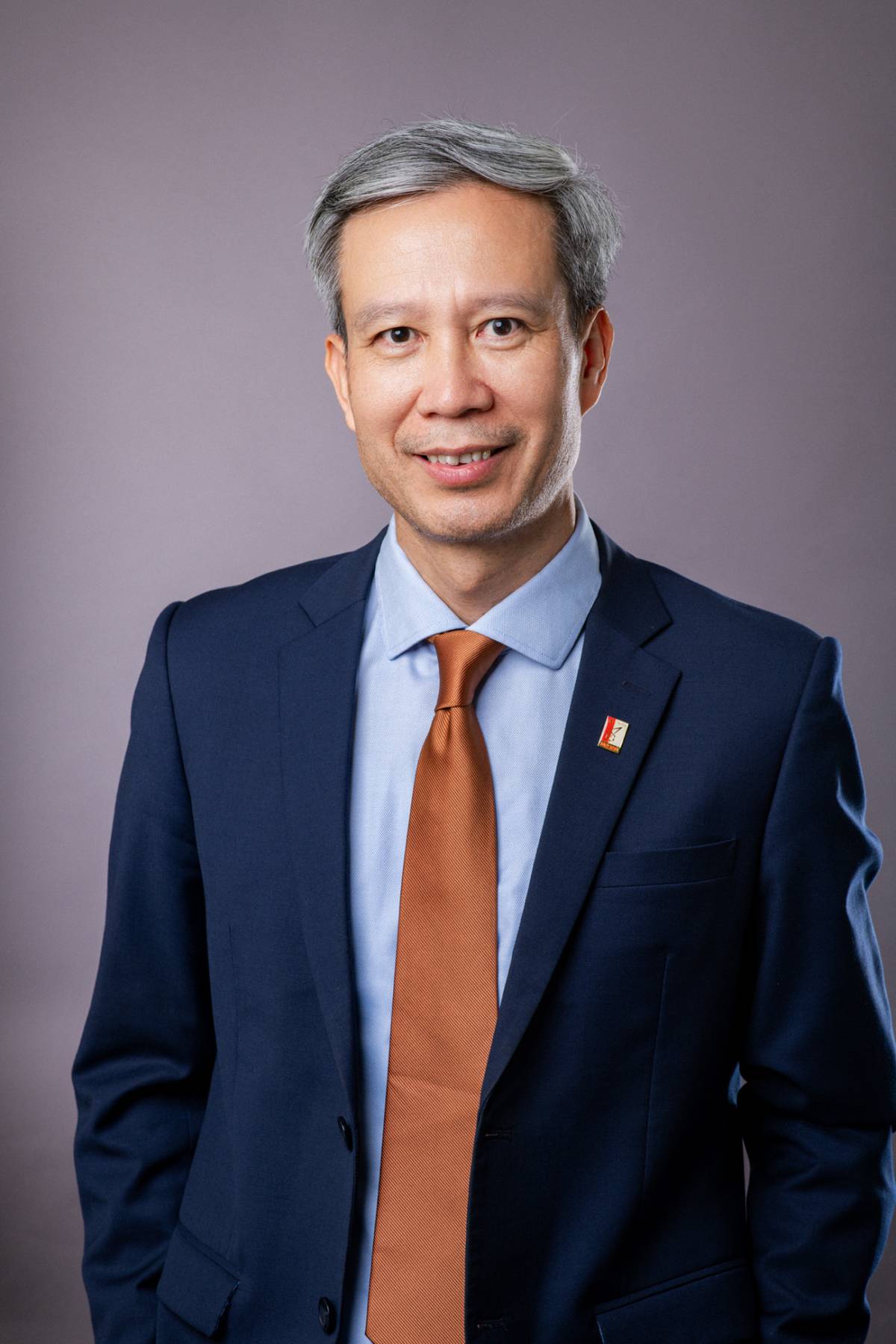
GS. Lê Anh Tuấn — Bí thư Đảng ủy, Giám đốc Đại học Bách khoa Hà Nội.
Prof. Le Anh Tuan — Party Secretary and President of HUST. Duy Thành / hust.edu.vn
Các đột phá chiến lược phát triển Đại học Bách khoa Hà Nội theo tinh thần Nghị quyết 71.
Strategic breakthroughs under Resolution 71. hust.edu.vn
Nghị quyết 71 – Đột phá để kiến tạo tương lai YouTube · VTV4
Đại lễ 15/10/2026
Stand with HUST at 70
Register